
Where is your current job architecture hiding capability risk?
Some people talk about skills-based organisations as if jobs are about to disappear. That is rarely realistic and often unhelpful. Organisations still need roles, accountability, reward structures, career levels and workforce controls.
The real shift is not from jobs to chaos. It is from jobs alone to jobs plus skills. Job architecture gives structure. Skills architecture gives movement.
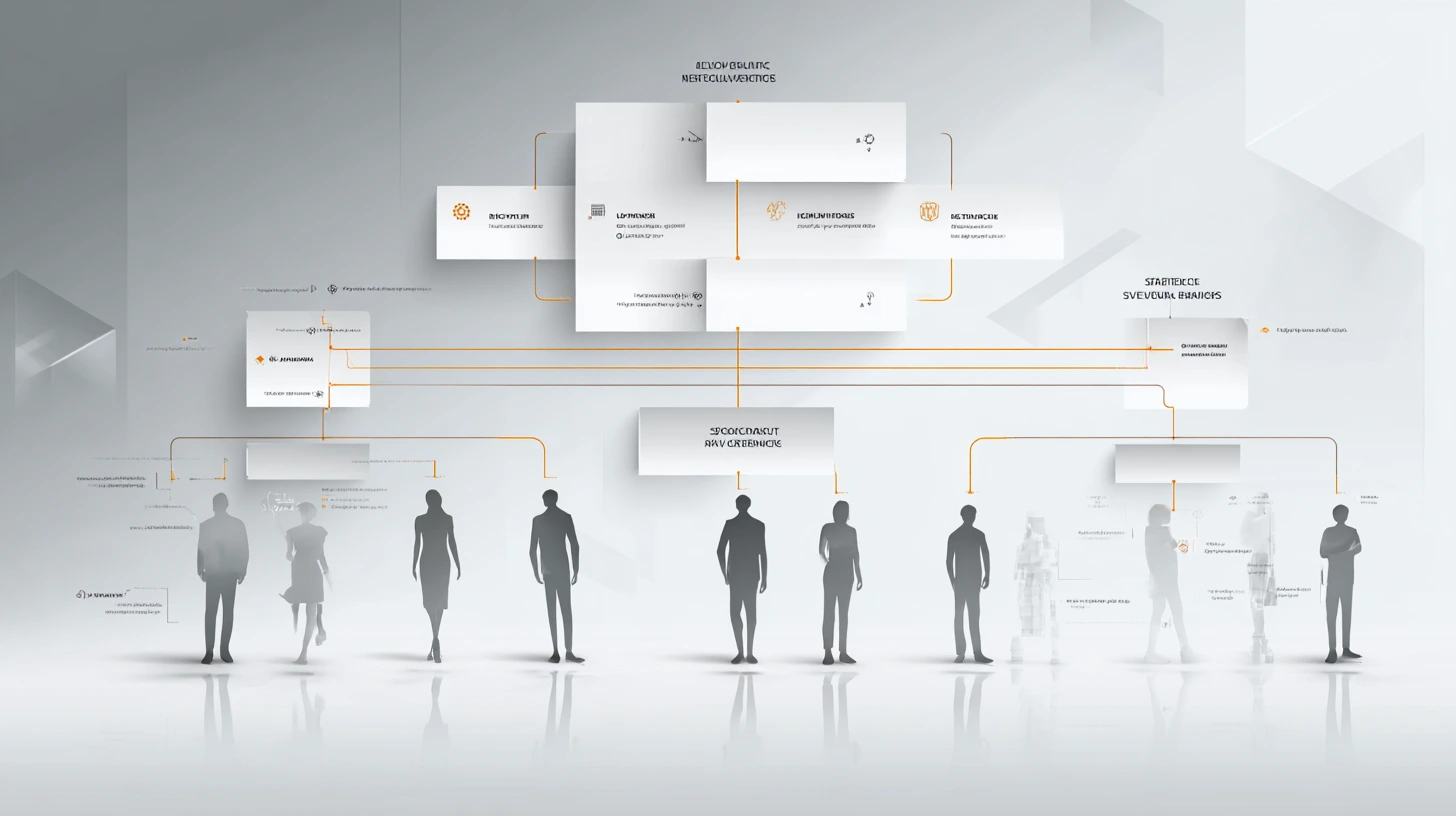
Why job architecture is not enough
Job architecture is useful for reward, hierarchy, accountability and workforce reporting. But it often struggles to keep pace with changing work. A job description may be reviewed every few years, while the tasks inside the job change every quarter.
This becomes a problem when leaders need to know whether the organisation has enough data literacy, automation capability, product management, cyber knowledge, change leadership or sector-specific expertise to deliver a strategy.
What skills architecture adds
Skills architecture describes the capabilities required to perform work, move into adjacent work and prepare for future work. It can cut across roles, teams and functions.
This matters because strategic capability rarely sits neatly inside one job family. The same skill may be needed in operations, finance, HR, customer service and transformation. A skills view helps leaders see shared capability needs and avoid fragmented investment.
The change leaders need to make
- Move from role ownership to capability ownership: decide who is accountable for critical skills across the enterprise.
- Connect skills to work: avoid abstract skills lists that are not linked to tasks, roles, projects or demand.
- Use proficiency carefully: define observable levels rather than vague labels.
- Refresh more often: skills data needs a different rhythm from formal job evaluation.
- Build trust: employees need to understand how skills data will and will not be used.
How to start without overcomplicating it
Pick one priority workforce area. Map the critical work. Identify the skills that differentiate performance. Link those skills to current roles, future demand and development pathways. Then test whether leaders can make better decisions with the view.
If the answer is yes, scale. If the answer is no, simplify.
The leadership takeaway
The strongest organisations will not abandon jobs. They will use jobs where structure matters and skills where movement matters. The art is knowing which decision needs which lens.
TalentSense can help leaders connect job architecture, skills, role risk and workforce demand so capability planning becomes more dynamic and more actionable.