
Which workforce decision would your skills taxonomy improve first?
The phrase skills taxonomy can sound technical, but the purpose is simple. It is a shared language for describing the skills the organisation has, needs and wants to build.
The problem is that many skills taxonomies are built like encyclopaedias. They contain thousands of skills, overlapping terms, unclear proficiency levels and little connection to the work leaders are trying to deliver.
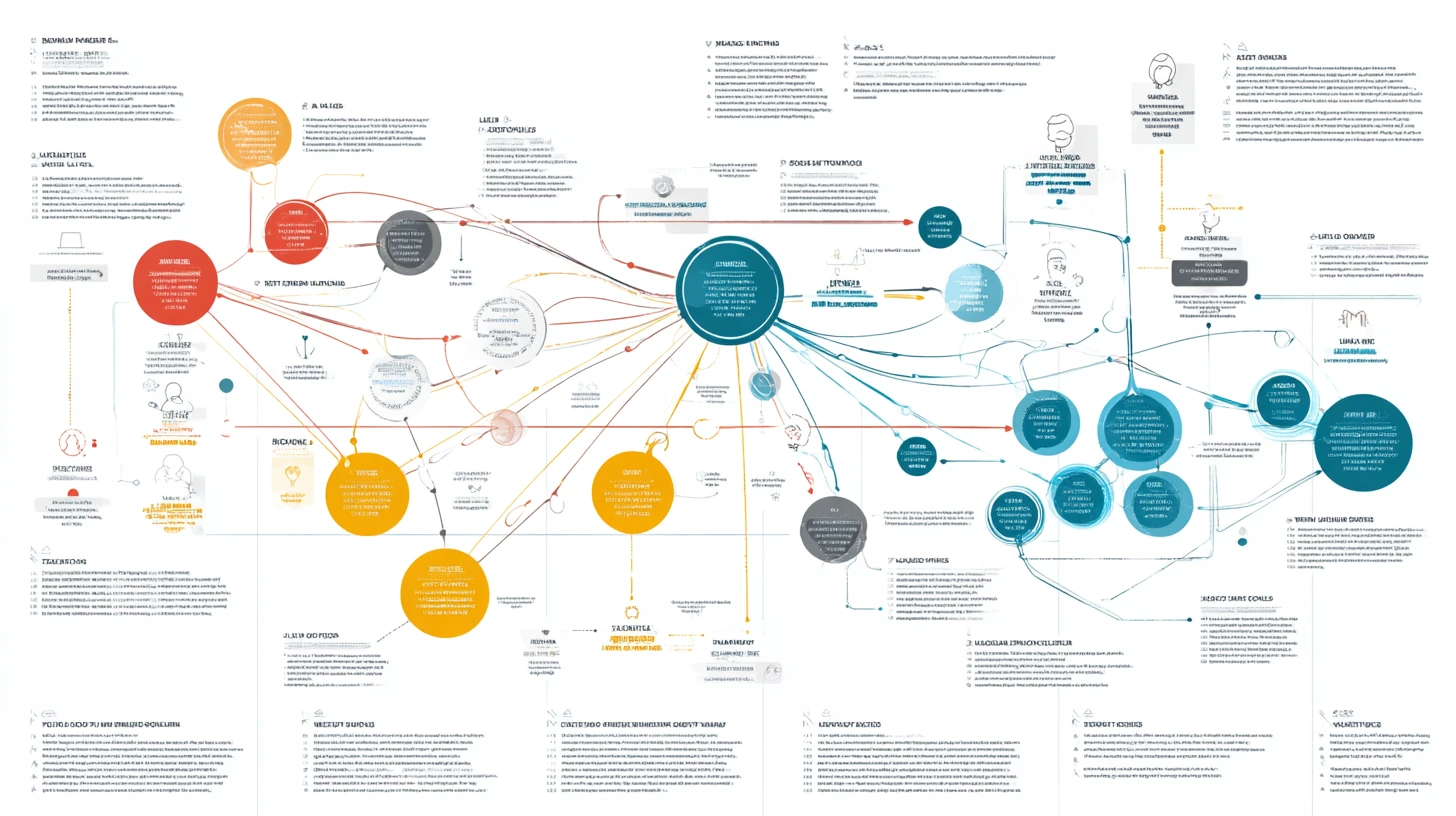
Start with decisions, not definitions
The first question should not be "how many skills should we include?" It should be "what decisions should this taxonomy improve?"
Those decisions might include workforce planning, internal mobility, learning investment, succession, redeployment, project staffing or AI-related work redesign. The taxonomy should be detailed where decisions require detail and lighter where precision adds little value.
Principles of a useful skills taxonomy
- Business-led: skills should connect to strategic work, not just HR language.
- Clear and simple: people should understand the skill without needing a glossary for the glossary.
- Structured by families: group skills into domains, capabilities and specific skills.
- Proficiency-based: define what basic, working, advanced and expert look like in practice.
- Governed: decide who can add, merge, retire and validate skills.
Avoid the common traps
Do not ask every employee to rate themselves against hundreds of skills at launch. Do not create proficiency levels that sound impressive but cannot be observed. Do not let every team create its own language if the aim is enterprise-wide mobility.
Most importantly, do not separate the taxonomy from work. Skills become meaningful when they are connected to roles, tasks, projects, learning, demand forecasts and career pathways.
What good looks like
A good taxonomy helps a leader understand capability risk. It helps an employee see possible next moves. It helps learning teams prioritise investment. It helps workforce planners model supply and demand. It helps managers staff work with a better view of adjacent skills.
The leadership takeaway
Do not aim to build the perfect taxonomy. Aim to build a useful one, then improve it through use. The best skills architecture is not static. It evolves as strategy, technology and work evolve.
TalentSense can help connect skills architecture to role design, demand planning, supply mapping, redeployment and capability investment.